Research
Exploring the Universe from the early cosmic dawn to local galaxies.
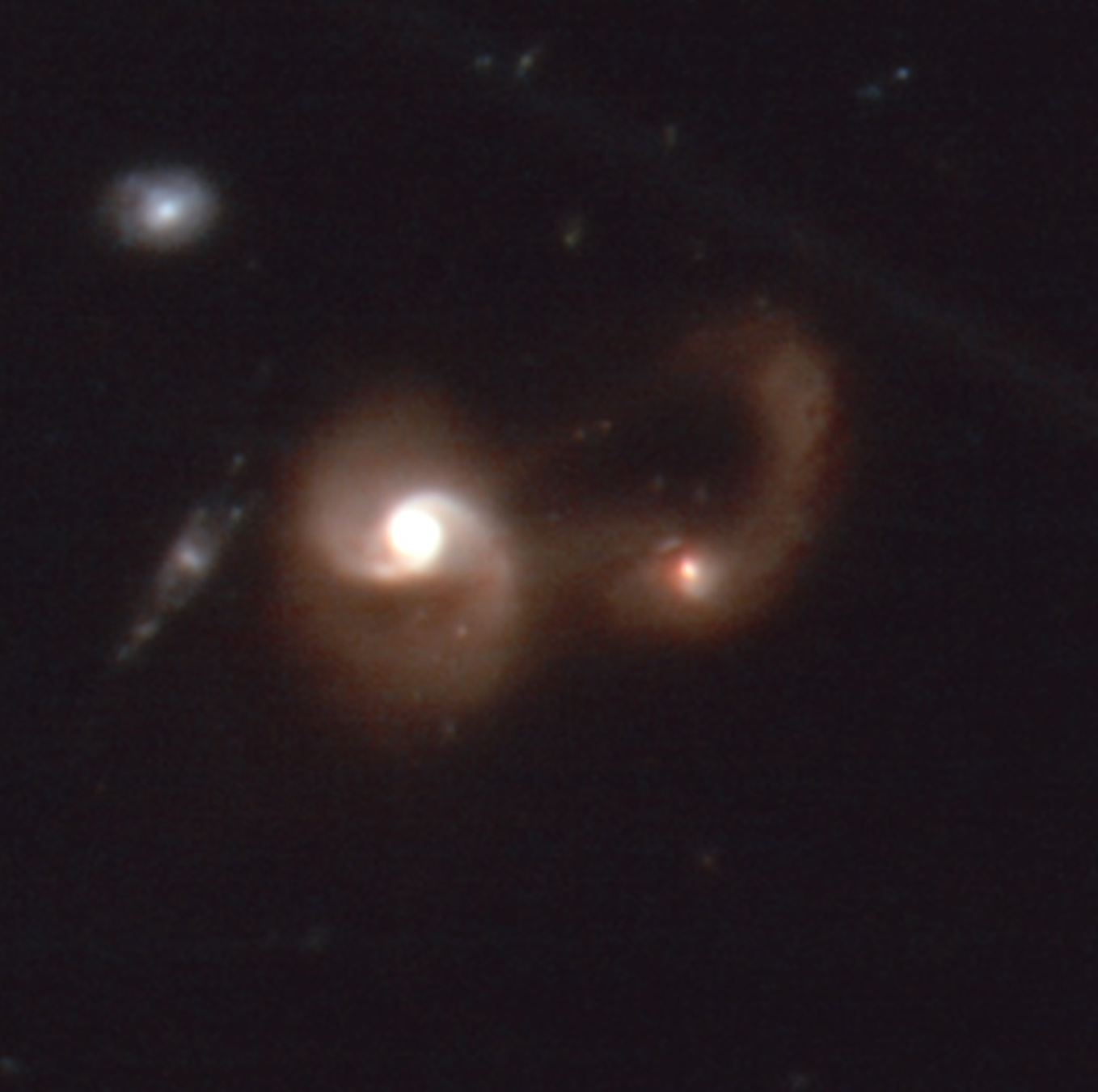
Massive quiescent galaxies observed in the early Universe appear to have undergone rapid cessation of star formation, yet the physical mechanisms responsible for this transition remain a topic of active debate (Man & Belli 2018, and references therein). A central question is whether all quiescent galaxies experience a star-burst phase prior to quenching, and what processes govern such rapid evolutionary changes. The epoch known as Cosmic Noon – characterized by peak levels of star formation, quiescence, and galaxy mergers – provides (e.g., Madau & Dickinson 2014; Conselice 2014; Förster Schreiber & Wuyts 2020) a crucial window for investigating these dynamics. Although AGN feedback is frequently proposed as the primary driver of quenching (e.g., Belli et al. 2024; Park et al. 2024; Bugiani et al. 2025), our study highlights the significant roles of gas depletion and merger-induced perturbations (e.g., Ellison et al. 2024)
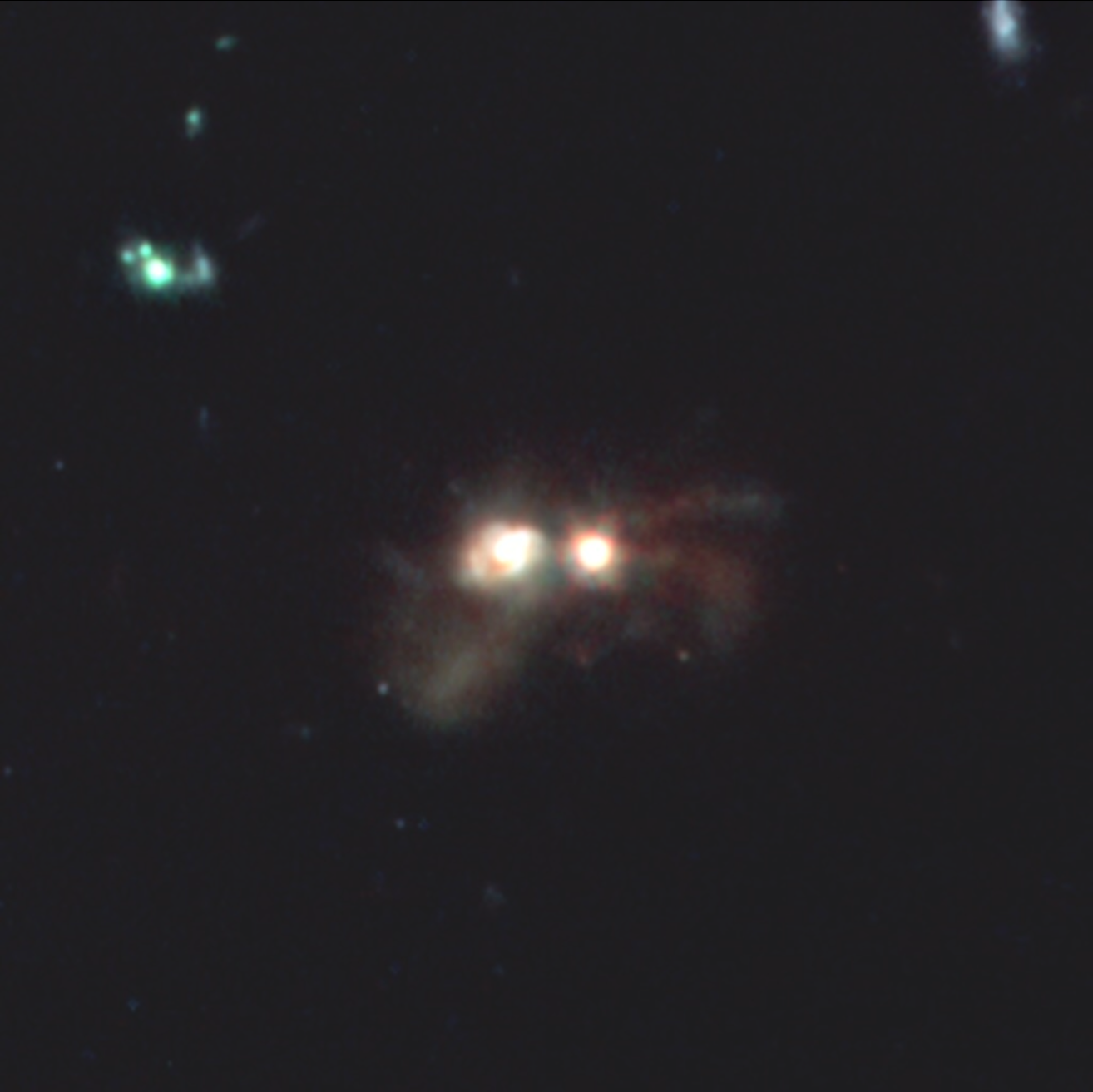
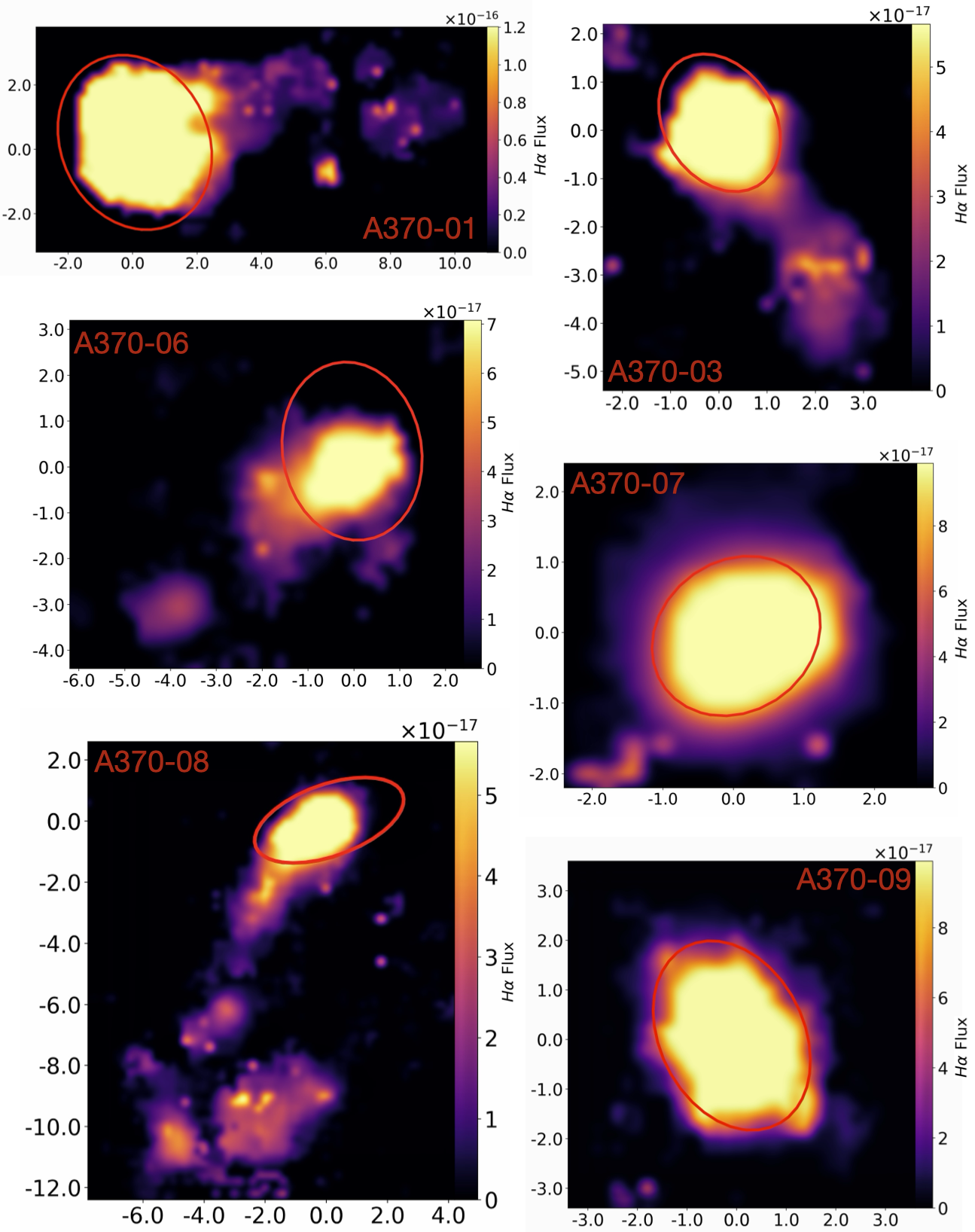
We explore how galaxies evolve over cosmic time, focusing on star formation at high redshifts and environmental effects in cluster and field galaxies. We investigate how ram-pressure stripping (RPS) affects the chemical evolution of galaxies using MUSE observations of star-forming disc galaxies in 12 clusters at 0.3 < z < 0.5. Our study reveals that RPS galaxies show a 0.2 dex metallicity increase compared to non-stripped counterparts. Interestingly, cluster galaxies not undergoing RPS have metallicities similar to field galaxies, highlighting that RPS — not cluster membership alone — drives enrichment. This effect is especially strong in low-mass galaxies, where RPS likely enhances star formation and limits gas inflow, leading to higher metal content.
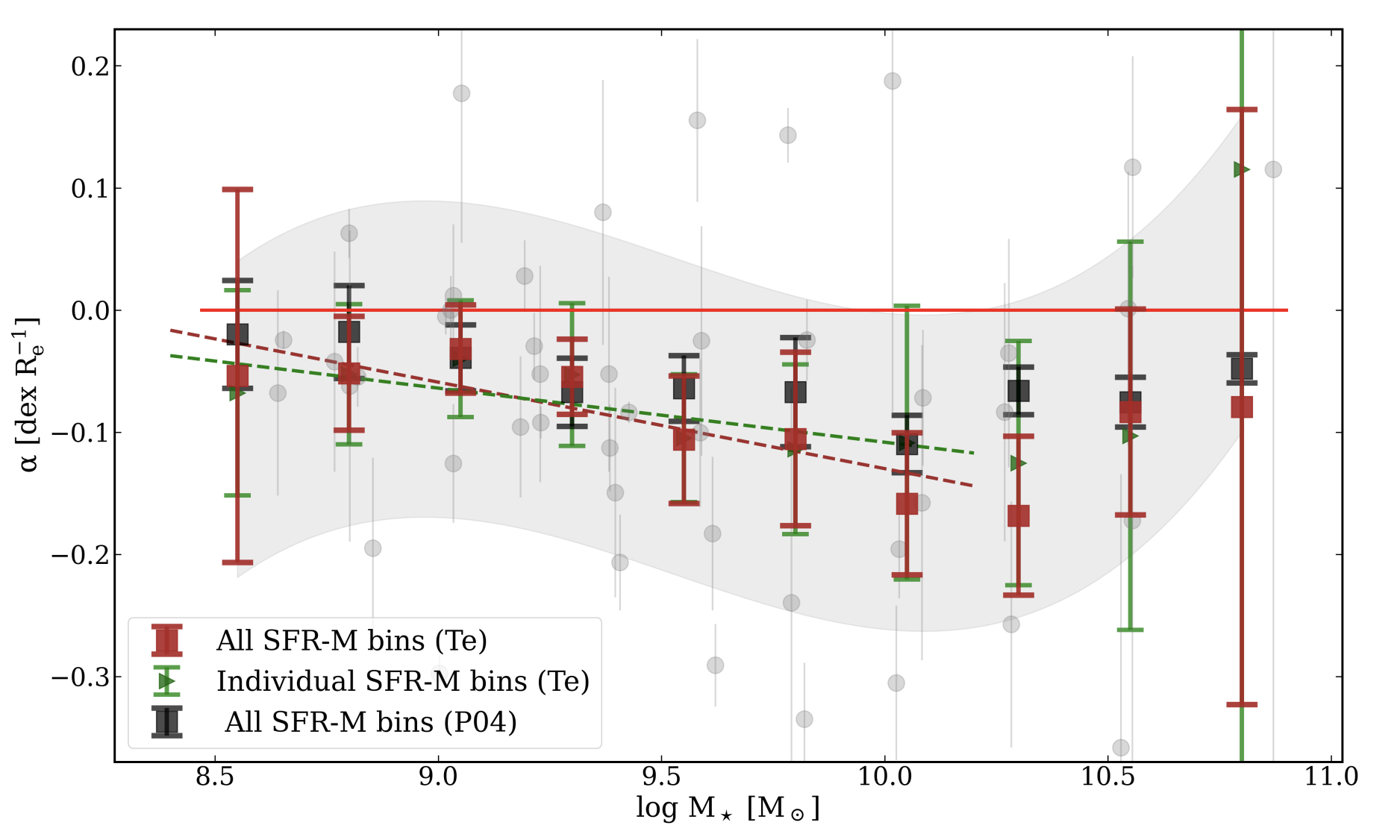
Using stacked spectra from 4,140 star-forming galaxies in the MaNGA survey, we detect faint auroral lines to derive direct-method metallicities across stellar mass, star formation rate (SFR), and galactic radius. We recover a robust mass–metallicity relation, but find no evidence for the Fundamental Metallicity Relation (FMR) when using direct abundances — challenging previous results based on model-dependent methods. Additionally, we find that metallicity gradients steepen with mass up to ~10¹⁰'⁵M☉, then flatten, confirming earlier trends with more accurate, model-independent measurements.
A list of recent and notable research outputs.